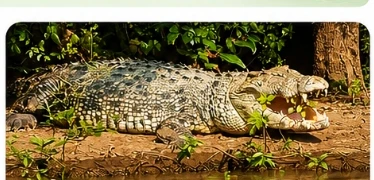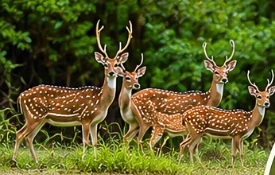
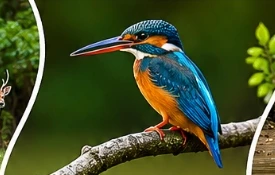
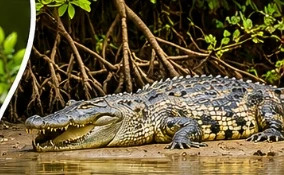
Wildlife Sightings in Bhitarkanika
Wildlife sightings can be incredibly exciting and memorable experiences. Whether you are in the National Park, a wildlife sanctuary, or even just in your own backyard, observing animals in their natural habitat is a rewarding adventure.
Some Important Tips for a Safe & Responsible Wildlife Experience
Be Patient
Wildlife can be elusive, so patience is key. Sit quietly and observe without making sudden movements or loud noises.
Binoculars & Cameras
Invest in a good pair of binoculars and a camera with a telephoto lens to get a closer look and capture beautiful photos.
Research
Before heading out, research the area you'll be visiting. Learn about the types of animals you might encounter, their habits, and the best times of day to see them.
Respect Distance
Maintain a safe and respectful distance to avoid disturbing the animals. Use a zoom lens or binoculars to observe without encroaching on their territory.
Stay Safe
Some wildlife can be dangerous. Know the risks associated with the animals in the area and take appropriate precautions.
Stay Quiet
Keep noise to a minimum. Whispering or using hand signals with others in your group can help maintain a peaceful atmosphere.
Observe Behaviour
Pay attention to the animal's behaviour. Are they feeding, resting, or playing? Understanding their behaviour can give you insight into their daily lives.
Dawn and Dusk
Many animals are most active during dawn and dusk, so consider planning your wildlife outings during these times.
Be Prepared
Weather conditions can change rapidly. Dress appropriately, bring water and snacks, and be prepared for any weather.
Leave No Trace
Always follow "LEAVE NO TRACE" principles by taking your trash with you, staying on designated trails, and not disturbing the environment.
"Remember that wildlife sightings are not guaranteed and it's essential to approach them with a sense of wonder and respect for the natural world. Enjoy the beauty and serenity of nature while appreciating the opportunity to witness animals in their natural habitat."